



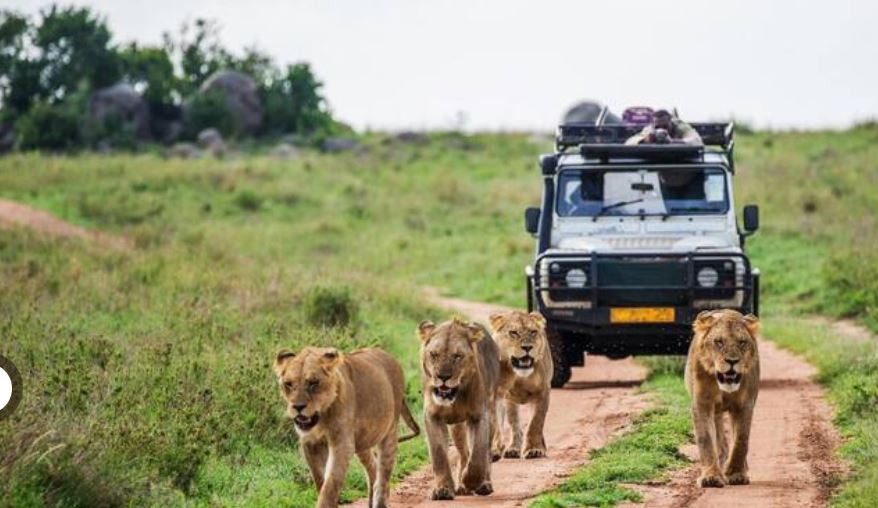
Africa offers some of the world’s most rewarding opportunities for wildlife photography. From lions resting in golden grasslands to elephants crossing open plains, the continent provides remarkable subjects for photographers of all experience levels. However, choosing the right safari destination can make a significant difference to the quality of your photographs. Wildlife density, natural lighting, seasonal movements, landscapes, and access to experienced guides all influence the experience.
If you are planning a photography-focused safari, the best destination depends on the animals you want to photograph, your preferred scenery, and the time of year you intend to travel. Here are some of the best African safari destinations for wildlife photography, along with practical insights to help you plan a memorable trip.
1. Maasai Mara National Reserve, Kenya
The Maasai Mara is one of Africa’s most celebrated safari destinations, known for its open savannahs, large predator populations, and seasonal wildebeest migration. Its relatively open landscapes often make it easier to photograph lions, cheetahs, elephants, giraffes, and other wildlife without dense vegetation blocking the view.
For photographers, early mornings and late afternoons offer beautiful natural light, creating warm tones across the grasslands. The reserve is particularly appealing for action photography during migration season, when wildebeest and zebras move through the Mara ecosystem. River crossings can provide dramatic images, although their timing and occurrence are unpredictable.
Best for: Big cats, herd photography, wildlife action, and classic African landscapes.
Photography tip: Carry a telephoto lens for distant animals and use a faster shutter speed when photographing running wildlife.
2. Serengeti National Park, Tanzania
The Serengeti is an outstanding choice for photographers seeking diverse wildlife and expansive natural scenery. Its vast plains support lions, leopards, cheetahs, hyenas, elephants, and numerous grazing species. The park is also a major part of the Great Migration ecosystem, where wildebeest and zebras move in response to rainfall and fresh grazing.
One of the Serengeti’s biggest advantages is its varied photographic opportunities. You can capture wide landscape compositions with animals in the foreground, close-up portraits of predators, or interactions between different species. The best wildlife encounters depend on the area visited and the season.
Best for: Predator photography, migration scenes, animal behavior, and wide-angle compositions.
Photography tip: Include some of the surrounding landscape in your frame to show the scale of the Serengeti rather than photographing every animal as a close-up.
3. Kruger National Park, South Africa
Kruger National Park offers a well-established safari experience and a broad range of wildlife photography opportunities. It is home to the Big Five—lion, leopard, elephant, rhino, and buffalo—along with many other mammals and bird species.
The park’s varied habitats, including open grasslands, riverbanks, and woodland, create opportunities for different photographic styles. River areas can be particularly useful for observing animals that visit to drink, while woodland habitats may offer opportunities to photograph leopards resting in trees or birds perched among branches.
Kruger also appeals to photographers who prefer flexibility when planning their safari. Self-drive options are available in designated areas, while guided drives can help visitors locate wildlife and understand animal behavior.
Best for: Big Five photography, birdlife, varied habitats, and flexible safari planning.
Photography tip: Watch the direction of the light and position yourself where possible to avoid harsh midday shadows and distracting backgrounds.
4. Chobe National Park, Botswana
Chobe National Park is especially well known for its elephants and the wildlife activity around the Chobe River. During suitable seasons, large elephant herds gather near the river, creating excellent opportunities for photographing animals drinking, bathing, and interacting.
Boat safaris are a major advantage for photographers here. Being on the water can provide a different perspective on elephants, hippos, crocodiles, and waterbirds. Reflections and evening light can also add depth to wildlife images.
However, boat-based photography requires careful attention to camera stability, changing light, and the movement of the vessel.
Best for: Elephant herds, river wildlife, reflections, and wildlife photography from boats.
Photography tip: Use a shutter speed fast enough to compensate for boat movement, particularly when photographing active animals.
5. Etosha National Park, Namibia
Etosha National Park offers a distinctive wildlife photography experience shaped by its dry landscapes and vast salt pan. Waterholes are among its most productive locations, especially during dry periods when animals regularly visit to drink.
Photographers may encounter elephants, giraffes, zebras, lions, and several antelope species. The open terrain can make wildlife easier to spot, while the pale landscape creates a striking background for minimalist compositions.
Etosha is also a good destination for photographers interested in animal behavior. Waiting patiently near a waterhole can reveal interactions between species, territorial displays, and the daily routines of wildlife.
Best for: Waterhole photography, minimalist images, animal interactions, and dry-landscapes.
Photography tip: Stay patient and observe how animals approach the waterhole. A little preparation can help you anticipate interesting moments without disturbing wildlife.
6. Okavango Delta, Botswana
The Okavango Delta offers a different perspective on African wildlife photography, with seasonal floodplains, winding waterways, and lush vegetation. This unique ecosystem attracts elephants, hippos, crocodiles, antelope, and an impressive variety of birds.
Depending on water levels and local regulations, photographers may explore the delta through traditional mokoro excursions, motorboats, or guided game drives. These different approaches create opportunities for reflections, low-angle compositions, and wildlife images surrounded by water and greenery.
Best for: Water-based wildlife photography, birdlife, elephants, and scenic compositions.
Photography tip: Protect your camera from water and keep essential equipment in a weather-resistant bag during boat excursions.
How to Choose the Best African Safari for Photography
Choosing a destination is only the first step. Before booking your safari, consider these practical factors:
• Travel season: Dry conditions often improve visibility, while greener months can offer dramatic skies, lush scenery, and excellent bird photography.
• Wildlife priorities: Choose the Serengeti or Maasai Mara for migration scenes, Chobe for elephants, and Etosha for waterhole photography.
• Safari vehicle access: Ask whether the operator offers photography-focused drives, suitable seating, and sufficient time at sightings.
• Equipment: A telephoto lens is useful for distant animals, while a wider lens helps capture wildlife within its natural landscape.
• Responsible photography: Follow your guide’s instructions, maintain a safe distance, and never pressure animals or drivers to create a photograph.
Remember that wildlife sightings and animal behavior cannot be guaranteed. Selecting the right region and season improves your opportunities, but patience remains essential.
Final Thoughts
The best African safari destination for wildlife photography depends on the story you want your photographs to tell. The Maasai Mara and Serengeti are excellent for big cats and migration scenes, Kruger provides diverse wildlife and habitats, Chobe is particularly rewarding for elephant photography, Etosha offers distinctive waterhole encounters, and the Okavango Delta combines wildlife with striking aquatic landscapes.
Plan your trip around your photographic goals, research seasonal conditions, and choose an experienced safari operator that respects wildlife. With good preparation, thoughtful composition, and patience, you can capture meaningful images that showcase Africa’s remarkable natural heritage.