



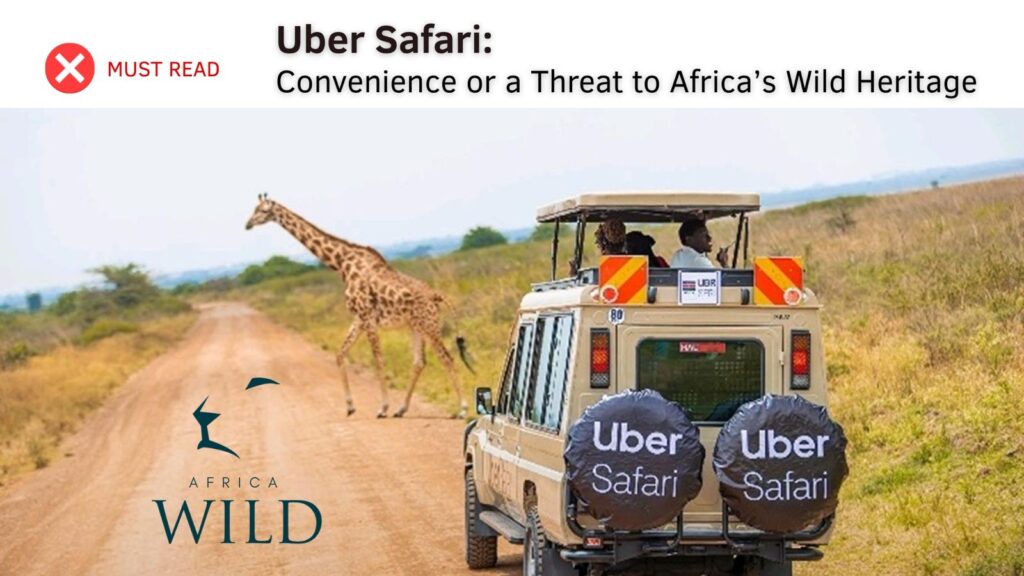
The launch of Uber Safari in Kenya has sparked heated debate across the tourism world. Through the popular ride-hailing app, tourists can now book wildlife drives in national parks with just a few taps on their phones. On the surface, this looks like a clever way to make safaris more accessible, but critics—including conservationists, guides, and communities—are raising serious concerns.
What is Uber Safari
Uber Safari allows users in Nairobi and select areas to request a safari vehicle much like they would a taxi. Vehicles can be booked for game drives in destinations such as Nairobi National Park, with prices displayed up front. The appeal is obvious: convenience, transparency, and the promise of affordability.
But behind the glossy idea lies a troubling reality. Safaris are not just another transport service. They are complex, sensitive experiences that require trained guides, respect for conservation rules, and cultural context. By reducing a safari to an app-based ride, Uber Safari risks stripping away the very essence of what makes African wildlife tourism meaningful.
The Risks of “On-Demand” Safaris
- Overtourism Pressure: National parks are already battling vehicle congestion. Adding ride-hailing traffic risks disturbing wildlife, damaging fragile ecosystems, and diminishing visitor experiences. (The Times)
- Loss of Educational Value: Safaris should be immersive, teaching travelers about Africa’s ecology, heritage, and conservation challenges. On-demand rides may encourage a “selfie safari” culture where animals are reduced to photo ops.
- Undermining Local Industry: Safari guiding is a skilled profession that provides employment for thousands across Africa. Quick-fix models threaten to sideline trained guides and weaken the industry that so many communities depend on.
Why Africa Wild Safaris is Different
At Africa Wild Safaris, we believe a safari should never be reduced to a quick ride. It should be an ethical, safe, and transformative journey. Here’s how we stand apart:
- We Protect People and Wildlife
Our guides are trained professionals who follow conservation norms and ensure safety at all times—for both visitors and wildlife. Every drive respects natural habitats and park regulations. - We Support Local Livelihoods
The safari industry sustains millions across Africa, from drivers and rangers to chefs, artisans, and lodge staff. When you travel with us, you help keep families employed and empower communities that rely on this lifeline. - We Offer More Than Sightseeing
A safari with Africa Wild Safaris isn’t about rushing through for photos. We share Africa’s history, traditions, and living culture. Every trip is a chance to learn, connect, and leave with a deeper understanding of this continent’s identity. - We Are Ethical and Transparent
Unlike quick-entry platforms that prioritize profit, we reinvest into conservation efforts and community partnerships. Tourism, done right, should leave both people and places better than we found them.
Conclusion
Uber Safari may present itself as the future of tourism, but convenience cannot replace responsibility. Africa’s wildlife heritage is too precious to be treated as a drive-through attraction.
At Africa Wild Safaris, we are committed to keeping safaris authentic, ethical, and impactful. By choosing us, you’re not just booking a trip—you’re supporting conservation, uplifting local communities, and ensuring that Africa’s safaris remain meaningful for generations to come.